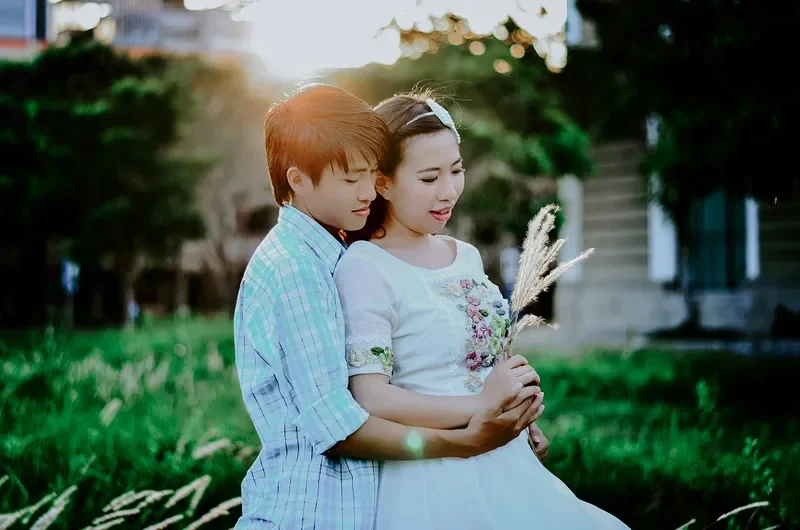
In the world of emotions, everyone is like a lonely boat, seeking a harbor where they can anchor in the vast sea of people.
With hope and expectations, we set sail, dreaming of blending hearts with someone special, searching for that precious warmth and tranquility that belongs only to us.
However, the harder we paddle, the more we try to get closer to the other shore in our hearts, the easier it is to lose our way in the turbulent waves and even lose the other person.
It’s like holding sand in your hand—the tighter you grip, the faster it slips away.
The story of Emily and Mr. Johnson is a typical example of this.
They were once deeply in love, with Emily’s affection for Mr. Johnson bordering on obsession.
She constantly missed him, bombarding him with calls and messages, as if only this could prove the depth of his love.
However, this airtight love made Mr. Johnson feel suffocated and oppressed.
He felt trapped in an inescapable cage, losing his freedom and space.
Eventually, he chose to leave Emily and seek his own piece of sky.
In that moment of separation, he sadly said, “Love should be free, giving each other wings to fly, not tightly binding each other.”
Excessive love often suffocates the beauty and vitality of love itself.
It’s like a delicate flower, needing just the right amount of sunlight and rain to thrive.
Overwatering it will only accelerate its withering and demise.
As Shakespeare said, “Excessive love will kill love itself.”
When we make our partner the center of our universe, losing our own identity and independent inner world, we lose the capital to be appreciated and cherished.
Mrs. Smith’s marriage faced a similar dilemma.
She was overly attentive to her husband’s every move, even becoming suspicious.
She thought it showed care and concern, but it only brought immense pressure and distrust to her husband.
Over time, the cracks between them deepened, leading to the breakdown of their marriage.
From a psychological perspective, the lack of self-worth is often the root cause of excessive dependency on the other.
Trying to gain security and satisfaction by controlling the other person, we overlook that this only makes them feel confined and wanting to escape.
The tighter we hold on to them, the more they may struggle to break free from this suffocating love.
Just like holding fine sand—the tighter the grip, the quicker it slips away.
There was a highly admired couple, with the man being extremely caring and attentive to the woman, envied by all.
However, this seemingly perfect relationship eventually came to an end.
In a deeply revealing interview, the woman confessed, “He was too perfect, to the point where I lost myself.”
She felt immense pressure and unbearable confinement in this relationship, as if she had lost her own identity and independence.
This once again confirms that excessive love and dependency can destroy what could have been a beautiful relationship.
Seeking security in a relationship is a common need, but true security should be built on equality, respect, and trust between both partners.
When we reach out to our partner for reassurance, we actually reveal our inner insecurities and vulnerabilities.
True security should come from our inner strength and confidence, as well as deep understanding and sincere communication between each other.
Life is not a script with a fixed pattern; everyone’s experiences in relationships are unique.
But we can draw wisdom and insights from others’ stories, learning to find a balance and moderation in love—not being too dependent or too distant.
Only then can we walk further and more steadily on the journey of love, enjoying true happiness and fulfillment.
Thoreau’s words in “Walden” give us a profound insight: “Love needs no words; it slowly settles in the ordinary days, transforming into a deep affection and attachment.”
When we learn to find a balance in love, we can cherish and enjoy the beauty and happiness that this relationship brings even more.
May we all find our own balance point on the path of love, allowing love to become more profound and radiant in the long run, like a gentle and enduring stream!